Charles Reed Elementary School fifth graders are trying to reduce food waste at their school, one piece of food at a time.
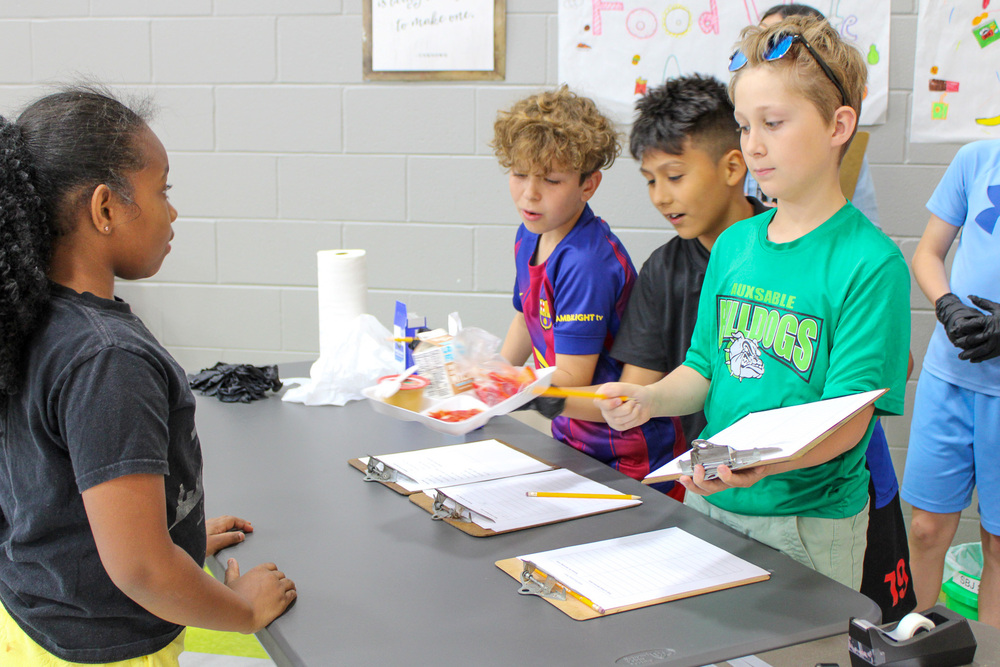
Mitchell Grilliot’s students in April conducted a food waste audit during all lunch periods.
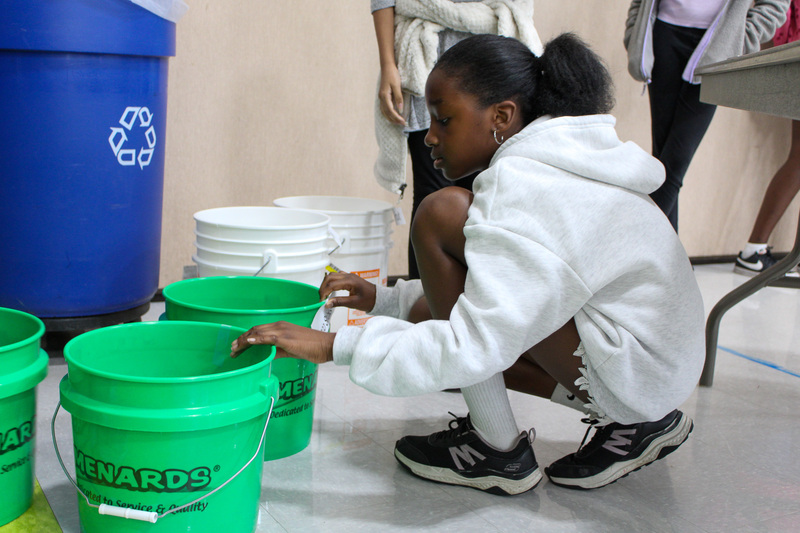
When students were done with their school-provided lunch, they brought any uneaten food to a table where Grilliot’s class was set up.
They took the wasted food and sorted it into buckets, including vegetables, fruits, and milk.
They also asked the students why they were throwing the food away for reasons such as the food was cold, had to take it, didn’t like the taste, was full, or it was too greasy.
Results showed:
More than 108 pounds of food and more than 155 pounds of food and milk waste
Almost 25 percent of the food waste was fresh apples
Almost 46 percent of the students said they “didn’t like” whatever they threw away
The estimated waste across all District 202 schools is more than 200 tons a year.
The goal is to work with school administration and the district’s food service provider to find solutions.
 “The best idea so far has been to find a company to help us compost (the food waste) or find a farm that will take it,” Grilliot said.
There are schools in neighboring states, such as Minnesota, that already are doing this with their waste, he said.
Grilliot and his students should be hopeful about the future of reducing food waste.
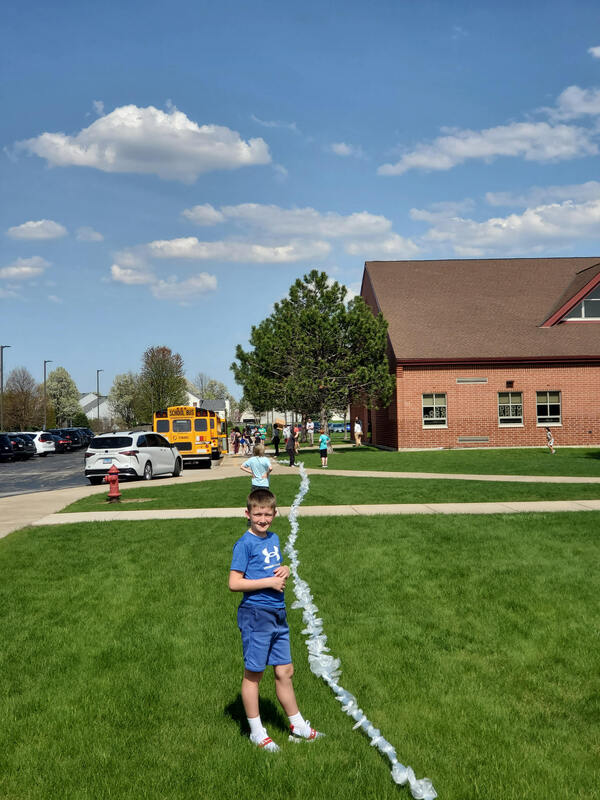
Last school year, his students collected the plastic bags that contained daily breakfast offerings and tied them together.
They laid the tied bags outside the entire school to show how many bags were being used.
The students presented the data to Aramark, the district food service provider, and they stopped bagging the food on the second floors at all elementary schools.